
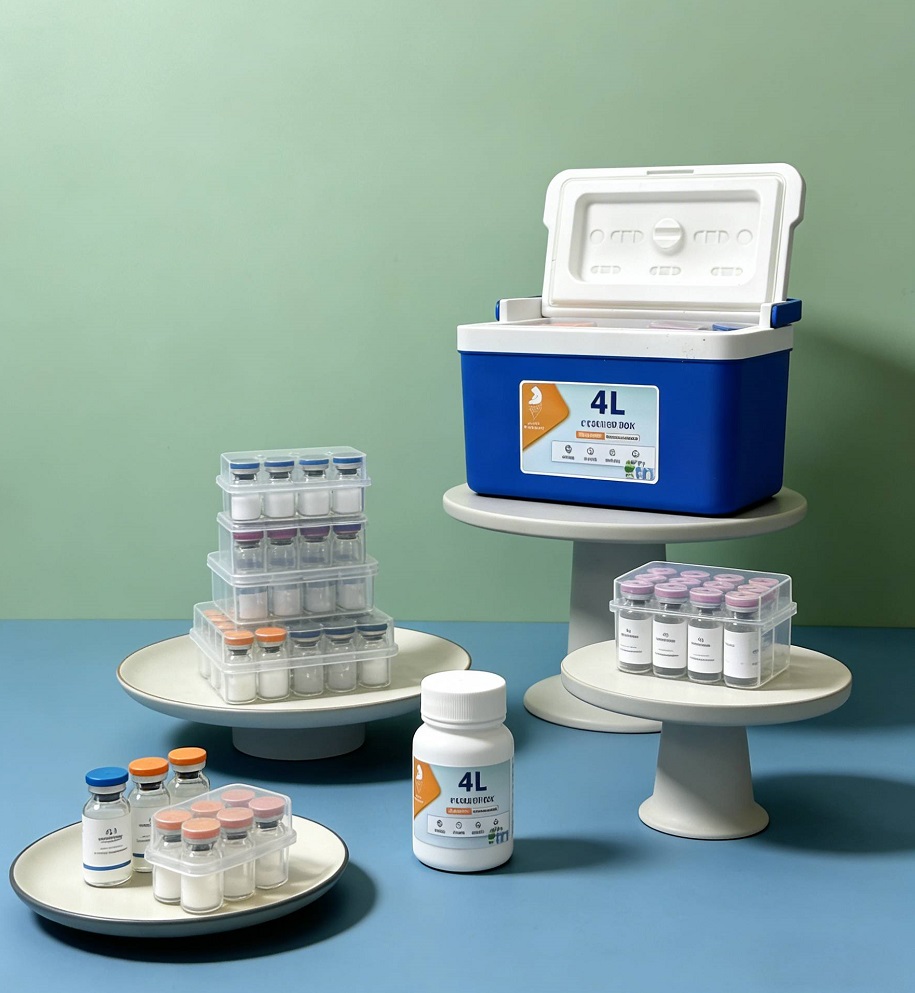
Samaglutide peptide has gained increasing attention in recent years as a representative member of the GLP-1 receptor agonist peptide class. While it is often discussed in simplified terms, a deeper understanding of its biological mechanism, functional role, and practical considerations can help interested users make more informed decisions.
This article provides a structured, science-based overview of samaglutide peptide, focusing on how it works in the body, who typically explores this category, and how it is commonly administered, presented from an educational perspective rather than promotional claims.
What Is Samaglutide Peptide?
Samaglutide is a synthetic peptide analog of glucagon-like peptide-1 (GLP-1), a hormone naturally released by the human body after food intake.
Natural GLP-1 plays a role in:
Signaling satiety to the brain
Supporting glucose-dependent insulin secretion
Slowing gastric emptying
However, native GLP-1 is rapidly degraded in the body. Samaglutide peptide is structurally modified to:
Increase molecular stability
Extend its functional half-life
Allow for longer-lasting physiological signaling
As a result, it provides a more sustained interaction with GLP-1 receptors compared to endogenous GLP-1.
How Samaglutide Works: A Functional Overview
Samaglutide peptide acts through multiple physiological pathways, rather than a single isolated effect.
1. Central Nervous System Signaling
Samaglutide interacts with GLP-1 receptors in appetite-regulating regions of the brain. This interaction may:
Reduce hunger-related signaling
Decrease food-seeking behavior
Support appetite regulation
Many users describe this effect as a reduced preoccupation with food, rather than a forced suppression.
2. Gastrointestinal Modulation
Another important mechanism involves the digestive system:
Gastric emptying may be slowed
Satiety signals can last longer after meals
This contributes to a prolonged feeling of fullness and may support changes in eating patterns over time.
3. Glucose-Dependent Metabolic Regulation
Samaglutide influences metabolic signaling in a glucose-dependent manner:
Supports insulin secretion when blood glucose rises
Reduces unnecessary glucagon release
This adaptive mechanism helps maintain metabolic balance without directly forcing glucose levels downward.
Who Typically Explores Samaglutide Peptide?
Interest in samaglutide peptide often comes from individuals who:
Seek improved appetite awareness and control
Are exploring peptide-based metabolic support solutions
Prefer biologically aligned regulatory mechanisms
Have prior understanding of GLP-1–related pathways
It is important to note that samaglutide peptide is not suitable for everyone and should never be approached casually.
Individuals Who Should Seek Professional Guidance
Pregnant or breastfeeding individuals
People with certain endocrine or gastrointestinal conditions
Those with known peptide sensitivities or contraindications
Professional consultation is strongly recommended before any form of use.
Common Administration Method (General Overview)
Samaglutide peptide is commonly prepared as:
A lyophilized powder or pre-formulated solution
Administered via subcutaneous injection
What Is Subcutaneous Administration?
Subcutaneous injection delivers the peptide into the fatty layer beneath the skin, not into muscle or blood vessels. Typical injection areas include:
Abdomen
Thigh
Upper arm
This method is widely used for peptide-based products due to its:
Relatively consistent absorption
Lower systemic stress
Practical suitability for longer-term protocols
Specific dosing, frequency, and administration techniques must always be determined by qualified professionals.
Tolerability and Adaptation
Some individuals may experience transient effects during the initial adaptation phase, such as:
Mild gastrointestinal discomfort
Temporary nausea
Noticeable appetite reduction
These responses are often associated with physiological adjustment and should be monitored carefully.
Sudden initiation or discontinuation without guidance is not recommended.
Key Takeaways
Samaglutide peptide is best understood as:
A biologically inspired peptide analog
Designed to support the body’s natural regulatory signals
Operating through appetite, digestive, and metabolic pathways
It is not a shortcut or instant solution, but rather a tool that interacts with complex physiological systems and requires responsible, informed handling.
Conclusion
For individuals interested in GLP-1–related peptide technologies, samaglutide peptide represents a well-studied example of how modern peptide engineering can enhance the stability and duration of natural biological signals.
A clear understanding of its mechanism, limitations, and proper context is essential for making rational, safe, and informed decisions.
Leave A Message
If you are interested in our products and want to know more details, please leave a message here, we will reply you as soon as we can.